
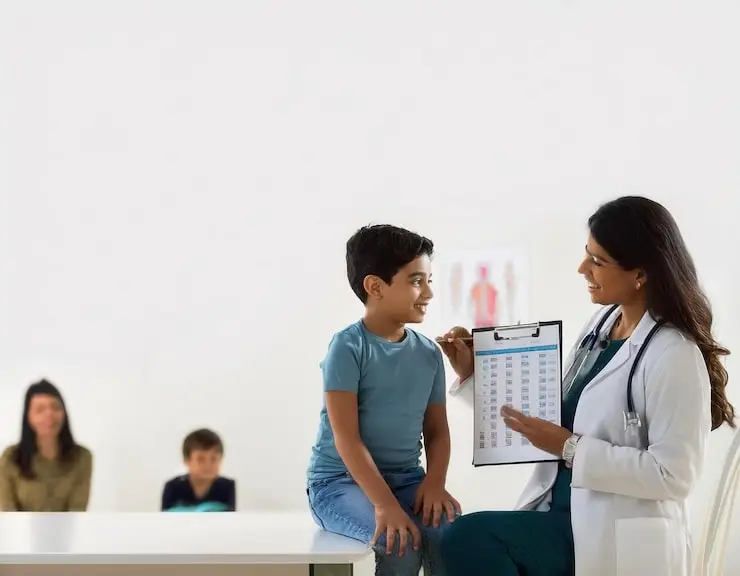
Starting school is an important milestone for children and parents. Along with preparing school supplies, uniforms and daily routines, families should also consider whether their child is up to date with routine health checks. Identifying health concerns early can help children enter school with the support they need to learn, participate and feel well.
GoToHealth Media provides healthcare education designed to help the public better understand health and medical topics. Through accessible health information and expert-led discussions, Gotohealth media helps general readers learn more about different aspects of healthcare without replacing advice from qualified healthcare professionals.
A useful resource for parents is The GoToHealth Show, which covers a range of health topics, including Kids’ Health. Parents can use this type of healthcare education to learn about common health concerns and prepare informed questions for their child’s healthcare professional.
The exact checks a child needs will depend on their age, medical history, vaccination status and local school requirements. There is no single checklist that applies to every child.
Why Should Children Have Health Checks Before School?
A child may appear healthy while experiencing a health issue that has not been recognised. Vision or hearing difficulties, for example, may not always be obvious to parents because children can adapt to changes or may not know that their experience is different from that of other children.
Routine health assessments provide an opportunity to discuss a child’s overall physical and developmental wellbeing. They can also help parents understand whether additional assessments are appropriate.
Different healthcare practices may follow slightly different approaches depending on the child’s age and individual circumstances. Some checks may already be included as part of routine child health appointments, while others may only be recommended when a concern is identified.
Parents can use reliable healthcare education resources to understand why certain assessments may be recommended, but individual medical decisions should be discussed with a qualified healthcare professional.
1. General Physical Health Check
A general physical examination is often an important part of routine child healthcare. Depending on the child’s age and circumstances, a healthcare professional may assess growth, weight, height, blood pressure and general physical development.
The appointment can also provide an opportunity to discuss the child’s medical history and everyday health. Parents may be asked about sleep, nutrition, physical activity, allergies, medications and previous illnesses.
A healthcare professional may also ask whether the child has experienced symptoms such as frequent headaches, tiredness, stomach problems, breathing difficulties or recurring infections.
The purpose of a physical health check is not simply to determine whether a child is “fit” for school. It can help identify concerns that may need monitoring, further investigation or referral.
Parents should also tell their healthcare professional about any concerns they have noticed at home, even if the child does not currently have a diagnosis.
2. Vision Screening
Vision plays an important role in many classroom activities. Children use their eyesight when reading, writing, looking at a board, using educational materials and participating in sports or outdoor activities.
Vision screening can help identify children who may have difficulty seeing clearly. Screening is not necessarily the same as a comprehensive eye examination. If a screening identifies a potential problem, a healthcare professional may recommend further assessment by an appropriate eye-care specialist.
Some signs of possible vision difficulties include squinting, sitting unusually close to books or screens, frequent headaches during visual tasks or difficulty seeing objects at a distance.
However, children do not always recognise that they have a vision problem. This is one reason routine screening can be useful.
Parents can discuss recommended screening schedules with their healthcare professional and check whether their child’s school provides any additional vision screening.
3. Hearing Screening
Hearing is another important consideration before school. Children need to hear teachers and classmates clearly to follow instructions, participate in discussions and develop effective communication skills.
Hearing difficulties can sometimes be difficult to identify. A child may compensate by watching other people’s behaviour or may simply appear distracted when they cannot hear what is being said.
Parents may want to mention concerns such as:
- Frequently asking people to repeat themselves
- Increasing the volume on televisions or devices
- Not responding consistently when spoken to
- Difficulty following verbal instructions
- A history of recurring ear infections
A healthcare professional can determine whether hearing screening is appropriate and whether further assessment is necessary.
Local healthcare practices and school systems may differ in how and when hearing screening is provided, so parents should check the requirements that apply to their child.
4. Vaccination and Immunisation Review
Reviewing a child’s vaccination record is another important part of preparing for school. Vaccination schedules and requirements vary depending on the country, region and school system.
Parents should check whether their child’s immunisations are up to date according to the recommendations that apply in their location. A healthcare professional can review the child’s records and identify whether any recommended vaccinations are missing.
Keeping vaccination records organised can also make school registration easier when proof of immunisation is required.
Parents should not assume that every child follows exactly the same schedule. Age, previous vaccinations, medical history and local recommendations can affect what is advised.
If vaccination records are incomplete or unavailable, parents should speak with their healthcare provider rather than attempting to determine the appropriate schedule themselves.
5. Dental Health Check
Dental health should also be considered when preparing children for school. Tooth decay and other oral health problems can cause pain and discomfort, potentially affecting sleep, eating and concentration.
Children should receive regular dental care from an early age. A dental appointment can identify cavities, monitor tooth development and provide guidance about brushing, fluoride, diet and other preventive measures.
If a child has not had a recent dental examination, parents may wish to arrange an appointment before school starts.
Dental care is not simply about treating problems after they appear. Preventive care can help children develop healthy habits that continue throughout childhood.
Parents can also use reliable healthcare education resources to learn more about children’s oral health and discuss specific concerns with a dental professional.
6. Developmental and Learning Assessment
School readiness is not limited to physical health. Developmental progress, communication, social interaction, behaviour and learning abilities can also be relevant.
Developmental monitoring looks at how a child is progressing over time. If a parent or healthcare professional has concerns about development, a formal developmental screening may be recommended.
Possible areas of concern may include speech and language, movement, social interaction, communication, attention or behaviour.
Early identification does not automatically mean that a child has a particular condition. It simply provides an opportunity for further assessment when appropriate.
Parents should share concerns with their child’s healthcare professional rather than waiting until difficulties become more noticeable at school.
7. Emotional and Mental Wellbeing
A new school environment can bring excitement but may also create anxiety or stress for some children. Changes in routine, separation from parents, new friendships and academic expectations can affect emotional wellbeing.
Parents can discuss changes in mood, sleep, appetite, behaviour or social interaction during a routine health appointment.
Children may not always explain emotional concerns directly. Changes in behaviour can sometimes provide useful clues that a child is finding a transition difficult.
Healthcare professionals can help parents understand whether a concern may be part of a normal adjustment or whether additional support could be beneficial.
The GoToHealth Show can also be a useful source of general healthcare education, particularly for parents who want to hear health topics discussed by healthcare professionals and subject matter experts.
8. Allergies, Medical Conditions and Medications
Children with ongoing medical conditions may require additional planning before school starts.
This may apply to children with conditions such as asthma, allergies, diabetes or epilepsy. Depending on the child’s needs, parents may need to provide the school with medical information, medication instructions or an emergency action plan.
Parents should check their school’s procedures and discuss the child’s individual requirements with their healthcare professional.
Medication should also be reviewed before the school year begins. Parents may need to confirm prescriptions, supplies and instructions so that the school has the correct information.
The specific process will vary between schools and regions, which is why families should communicate with both the school and their healthcare provider.
9. Nutrition and Sleep
Healthy daily routines can support a child’s ability to participate in school activities. A pre-school health appointment can provide an opportunity to discuss nutrition, sleep and physical activity.
Children need sufficient sleep for healthy development and daytime functioning. Poor sleep can sometimes contribute to difficulties with attention, mood and behaviour.
Nutrition is also important. Rather than focusing on restrictive diets, parents can discuss balanced eating patterns, hydration and appropriate nutrition for their child’s age with a healthcare professional.
Regular physical activity is another part of children’s overall wellbeing. The appropriate amount and type of activity will depend on the child’s age, interests and health.
These everyday habits are an important part of preventive healthcare and can complement professional healthcare services when children require additional support.
10. Sports and Physical Activity Assessments
Children who participate in organised sports may have additional health requirements. Some schools or sports organisations may request a physical examination or medical clearance before participation.
Parents should check the requirements of the relevant school or sports organisation rather than assuming that every child needs the same assessment.
If a child has a known medical condition, previous injury or symptoms during exercise, parents should discuss these concerns with a healthcare professional before the child participates in strenuous activity.
The purpose of an assessment is to identify potential concerns and determine whether any adjustments or precautions may be appropriate.
What Should Parents Take to a Health Appointment?
Preparing information before the appointment can make the discussion more useful. Parents may want to take vaccination records, information about current medications and details of previous medical conditions or treatments.
It can also help to write down questions beforehand. Parents may want to ask about:
- Vision or hearing concerns
- Vaccination status
- Sleep and nutrition
- Development or behaviour
- Dental health
- Allergies or medications
- Physical activity and sports
If the school has provided medical or health forms, parents should bring them to the appointment if they require completion by a healthcare professional.
When Should Parents Arrange a Pre-School Health Check?
There is no universal date for a pre-school health check. Ideally, parents should avoid waiting until immediately before school begins.
A routine child health appointment may already cover many areas relevant to school preparation. However, children who have missed routine appointments, have ongoing medical conditions or have new health concerns may need additional assessment.
Parents should contact their healthcare professional if they are concerned about symptoms rather than waiting for a school-related check.
The goal is not to complete every possible medical test. Instead, the aim is to make sure the child receives appropriate preventive care based on their individual needs.
How Healthcare Education Can Help Parents
Parents often encounter large amounts of health information online, and not all of it is accurate or relevant to their child’s situation. Reliable healthcare education can help families understand common health topics and recognise when professional advice may be needed.
Gotohealth media focuses on making health information accessible to general audiences through educational content and conversations with healthcare professionals.
For parents interested in children’s health, The GoToHealth Show provides an opportunity to explore health topics through expert-led discussions. The Kids’ Health content can help families learn more about different aspects of children’s wellbeing while encouraging them to discuss individual concerns with qualified professionals.
This type of educational content should complement, rather than replace, personalised medical advice.
Understanding Healthcare Services for Children
Children may interact with several types of healthcare services throughout their development. These can include general healthcare providers, dental professionals, eye-care specialists, hearing professionals and other specialists when needed.
The appropriate healthcare services depend on the child’s individual circumstances. Not every child needs to see multiple specialists before starting school.
Understanding how different healthcare practices work can help parents know where to raise specific concerns. A primary healthcare professional can often provide an initial assessment and recommend further evaluation when necessary.
Gotohealth media provides educational resources that can help general readers better understand healthcare services and medical topics. Parents can use these resources to become better informed before discussing their child’s individual needs with a healthcare professional.
The GoToHealth Show as a Health Education Resource
For parents looking for accessible medical information, The GoToHealth Show is a key resource from Gotohealth media.
The show features discussions around different areas of health and provides general audiences with an opportunity to hear from healthcare professionals and subject matter experts.
Exploring relevant episodes can help parents become more familiar with children’s health topics, prepare questions for appointments and better understand general healthcare information.
However, health information presented through a media platform should not be used to diagnose or treat an individual child. A qualified healthcare professional should assess specific symptoms or medical concerns.
Conclusion
Preparing a child for school involves more than buying supplies and establishing a new routine. Reviewing appropriate health checks can help parents identify concerns early and ensure that preventive care is up to date.
Depending on the child, relevant areas may include physical health, vaccinations, vision, hearing, dental health, development, emotional wellbeing, nutrition and existing medical conditions.
Not every child needs the same tests or specialist appointments. Parents should consider their child’s individual health history and local school requirements and discuss questions with an appropriate healthcare professional.
For accessible healthcare education, parents can explore The GoToHealth Show and other resources from Gotohealth media. These resources can support general understanding while professional medical advice remains essential for individual health decisions.
For more information about Gotohealth media, its educational resources and available healthcare services, readers can contact us to learn more.
Frequently Asked Questions
What health checks should children have before starting school?
Children may need a routine physical assessment, vaccination review, vision and hearing screening, dental care and developmental or emotional wellbeing assessment. The exact checks depend on the child’s age, health history and local school requirements.
Is a physical examination required before school?
Requirements vary between schools and locations. Even when a physical examination is not mandatory, a routine healthcare appointment can provide an opportunity to review the child’s general health and preventive care.
Should children have their vision checked before school?
Vision screening can help identify children who may have difficulty seeing clearly. Parents should discuss appropriate screening with their healthcare professional, particularly if they notice signs of possible vision problems.
Does every child need a hearing test?
Not necessarily. Hearing screening recommendations vary based on age, location and individual circumstances. Children with possible hearing difficulties or a history of ear problems may need additional assessment.
Should vaccinations be checked before school?
Yes. Parents should review their child’s vaccination records and check the requirements that apply to their school and location. A healthcare professional can advise whether the child’s vaccinations are up to date.
Is a dental check important before school?
Regular dental care is important throughout childhood. A dental appointment can identify oral health problems and provide preventive guidance on brushing, fluoride and nutrition.
What if my child has a medical condition?
Parents should discuss the condition with their healthcare professional and check the school’s procedures for managing medical needs. Some children may require medication plans, emergency instructions or other arrangements.
Where can parents learn more about children's health?
Parents can explore reliable healthcare education resources and discuss individual concerns with qualified professionals. The GoToHealth Show provides expert-led health discussions covering topics including Kids’ Health.
How can I learn more about Gotohealth media and its healthcare resources?
Parents and general readers can explore Gotohealth media to learn more about its healthcare education resources and The GoToHealth Show. If you have questions about the available healthcare services or resources, you can contact us for further information.