
Introduction: Why Cognitive Health Matters More Than Ever
 The way we age is changing. Americans are living longer than at any previous point in history, and with that longevity comes a growing awareness of what it truly means to age well. For millions of individuals and families across the United States, the question of how to maintain cognitive function — the ability to think clearly, remember accurately, and reason effectively — is not merely an academic concern. It is a deeply personal one.
According to the Alzheimer’s Association’s 2026 Alzheimer’s Disease Facts and Figures report, an estimated 7.4 million Americans age 65 and older are currently living with Alzheimer’s dementia. By 2050, that number is projected to climb to nearly 13 million [^1]. These are not just statistics. They represent parents, grandparents, spouses, and friends whose lives and independence are profoundly affected by cognitive decline and memory loss.
Yet amid these sobering numbers, there is reason for genuine optimism. A growing body of research — much of it supported by the Alzheimer’s Association — confirms that the trajectory of brain aging is not entirely predetermined. Lifestyle choices, medical interventions, and proactive engagement with one’s own brain health can meaningfully influence the risk of developing dementia, including Alzheimer’s disease. The science of neuroscience is advancing rapidly, and with it, our understanding of how to protect and preserve the brain across a lifetime.
This page draws on insights from a wide-ranging interview between journalist Jonathan Marx and Heather M. Snyder, PhD, Senior Vice President of Medical and Scientific Relations at the Alzheimer’s Association, as well as the latest data published in the Association’s annual report. Together, these sources illuminate the key predictors of maintaining cognitive function in older adults and offer a roadmap for aging gracefully — with a sharp, resilient mind.
The Brain Health Awareness Gap: What Americans Know — and Don’t Know
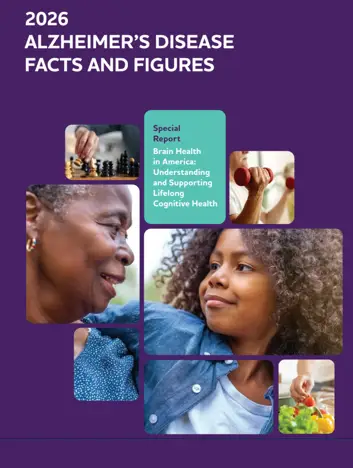 One of the most striking findings from the Alzheimer’s Association’s 2026 special report, Brain Health in America: Understanding and Supporting Lifelong Cognitive Health, is the profound gap between how much Americans value brain health and how little they know about how to protect it.
The special report surveyed more than 3,800 adults age 40 and older across the United States. Its findings reveal a nation that is deeply concerned about cognitive decline but largely uncertain about what to do:
“Ninety-nine percent of adults view brain health as equally as important as physical health, but only 9% said they knew ‘a lot’ about ways to maintain and support brain health.”
This gap between awareness and action is one of the defining challenges in the field of dementia prevention. People understand, intuitively, that the brain is precious. They recognize that memory loss and cognitive deterioration can rob individuals of their independence and identity. Yet the specific, evidence-based steps that can support brain function and reduce the risk of Alzheimer’s disease remain poorly understood by the general public.
Additional findings from the special report illuminate this disconnect [^1]:
- 82% of Americans associate “good brain health” with being able to think clearly and make good decisions.
- 75% believe that lifestyle habits like diet, physical activity, sleep, and mentally stimulating activities play a very important role in maintaining brain health as they age.
- Yet fewer than half (46%) strongly associate these habits with reducing dementia risk.
- Only 34% are physically active daily or most days.
- Only 50% get seven hours of sleep daily or most days.
- Only 39% follow a healthy diet consistently.
- Only 42% engage in mentally stimulating activities daily or most days.
- Two-thirds (66%) say they prefer to learn about brain health from their healthcare provider, and 86% welcome these conversations during routine care — yet only 14% have actually discussed brain health with their doctor.

Conclusion: Aging Gracefully with a Sharp Mind
The science of brain health and cognitive function is advancing rapidly, and the message from the Alzheimer’s Association is clear: while Alzheimer’s disease and other forms of dementia pose a profound challenge, there is much that individuals can do to protect their brains and stay sharp as they age.
Aging gracefully does not mean aging without challenges. It means approaching the aging process with knowledge, intention, and the support of evidence-based resources. It means making the lifestyle choices — around diet, exercise, sleep, cognitive engagement, and social connection — that give the brain the best possible chance of remaining healthy and resilient. It means having proactive conversations with healthcare providers about brain health, and taking advantage of the growing array of tools and treatments available for memory improvement and dementia prevention.
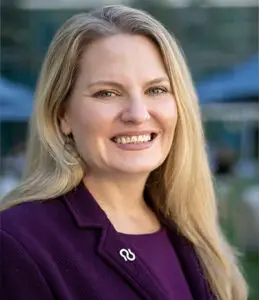 The insights shared by Dr. Heather M. Snyder, PhD in her interview with Jonathan Marx, and the data published in the Alzheimer’s Association’s annual report, offer a powerful foundation for this effort. They remind us that brain health is not a passive inheritance but an active achievement — one that requires sustained commitment, informed choices, and the support of a community dedicated to ending Alzheimer’s disease.
To learn more, access the Brain Health Habit Builder, find local resources, or get involved in the fight against Alzheimer’s, visit the Alzheimer’s Association at alz.org or call the 24/7 Helpline at 800.272.3900.

