
Vision loss from diabetes can often be prevented or delayed, although it isn’t always preventable. Regular eye exams, diabetes management and timely treatment can help protect your sight. That’s important because diabetic retinopathy, a leading cause of diabetic vision loss, can develop before you notice anything wrong. [1] [2]
How Does Diabetes Affect Your Eyes?
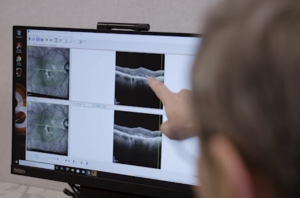 Diabetes mellitus can affect the small blood vessels throughout the body, including those in the retina. The retina is the light-sensitive tissue at the back of the eye. Over time, high blood sugar can damage its tiny blood vessels, causing them to leak, close off or bleed. This damage is called diabetic retinopathy, and it can affect people with type 1 or type 2 diabetes. [1] [2]
As the condition progresses, new, fragile blood vessels may grow and bleed. Scar tissue can also form and pull on the retina. Either can threaten vision. The connection between diabetes and eyes goes beyond retinopathy: people with diabetes also have a higher risk of cataracts and glaucoma. [2] [3]
What Is Diabetic Macular Edema?
Diabetic macular edema happens when fluid leaks into the macula, the part of the retina responsible for sharp central vision. Swelling can make it harder to read, recognize faces or see fine details. Diabetic macular edema can occur at different stages of diabetic retinopathy and may require treatment even when other changes seem minor. [2] [3] [6]
Symptoms of Diabetic Retinopathy: What Should You Watch For?
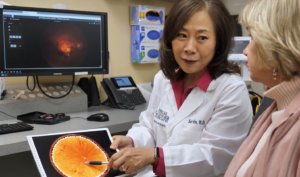 Early diabetic retinopathy symptoms are often absent: you may see clearly and feel no pain while damage develops. That’s why an eye exam is important even when your vision seems fine. [1] [2]
When symptoms do appear, diabetic retinopathy signs and other diabetic eye disease symptoms can include: [1] [3]
– Blurred, wavy or changing vision
– Trouble reading or seeing details
– Dark spots, strings or floaters in your vision
– Difficulty seeing colors
– A dark or shadowy area in your field of vision
These changes don’t always mean you have diabetic retinopathy, but they should be checked by an eye care professional. If you’ve searched for “diabetes eyes symptoms,” keep in mind that the absence of symptoms does not rule out eye damage.
Can You Prevent Diabetic Vision Loss?
 You can lower your risk, even though there is no guarantee that diabetic eye disease can be prevented. These steps support both diabetes management and eye health: [1] [2] [3]
Schedule regular dilated eye exams. The National Eye Institute recommends a comprehensive dilated eye exam at least once a year for people with diabetes. Your eye care professional may recommend more frequent visits. An exam can reveal signs of diabetic retinopathy before you notice vision changes.
- Work with your diabetes care team. Set personal goals for blood sugar, blood pressure and cholesterol, and take medicines as prescribed.
- Build healthy habits. Regular physical activity, a healthy eating plan and stopping smoking can support your overall health and help protect your vision.
- Keep follow-up appointments. If your doctor finds signs of diabetic eye disease, monitoring and treatment can help reduce the risk of further damage.
In our video above, retina specialist and President of the American Society of Retina Specialists, Dr. Gaurav K. Shah explains that a routine glasses check is not a substitute for an examination of the retina. If you can’t see a retina specialist, an eye care professional can perform a dilated exam and refer you for further care if needed. [4]
If you have diabetes and are pregnant or planning a pregnancy, ask your care team about the right eye examination schedule. [3]
What Does Diabetic Retinopathy Treatment Involve?
Diabetic retinopathy treatment depends on the stage of disease and whether swelling or other complications are present. Early disease may only need careful monitoring. When treatment is needed, a retina specialist may recommend injections of medicine into the eye, laser treatment, surgery or a combination of approaches. Some people with diabetic macular edema may benefit from eye injections that reduce leaking and swelling. [1] [2]
Treatment can often prevent further vision loss and sometimes improve vision, but it cannot restore sight in every case. If vision loss cannot be reversed, ask about low-vision rehabilitation and tools that can help with daily activities. [1] [3]

