
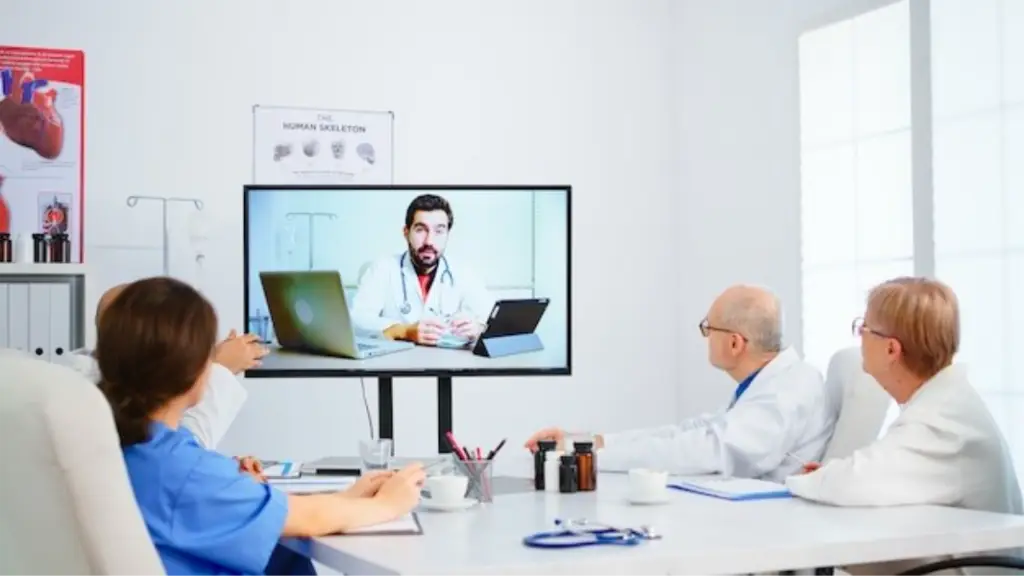
Healthcare organizations today operate in an environment where trust, credibility, and continuous learning are essential. Educational initiatives, particularly Continuing Medical Education (CME), play a significant role in shaping how professionals and patients perceive healthcare providers. Among the various formats available, CME webinars have emerged as an effective tool for engagement and authority building.
GoToHealth Media’s focus on enabling healthcare organizations to reach targeted audiences through digital education strategies. By integrating structured content delivery with data-driven marketing approaches, such platforms support meaningful communication between healthcare providers and professionals. Their services, including healthcare marketing, help organizations amplify the reach and impact of educational initiatives like CME webinars.
This article explores how CME webinars contribute to growth, credibility, and engagement while aligning with broader digital strategies.
What Are CME Webinars?
CME webinars are online educational sessions designed to provide healthcare professionals with accredited learning opportunities. These webinars are often led by experts and focus on current medical practices, research updates, and clinical advancements.
Key Characteristics of CME Webinars
- Accredited learning sessions for medical professionals
- Accessible remotely, removing geographical barriers
- Often interactive with Q&A, polls, and case discussions
- Focused on evidence-based content
For healthcare organizations, CME webinars are more than educational tools. They serve as a platform to establish expertise and foster professional relationships.
Why Authority Matters for Healthcare Organizations
Authority in healthcare is closely tied to trust. Patients, practitioners, and stakeholders rely on organizations that demonstrate knowledge, transparency, and consistency.
Building Trust Through Education
When healthcare organizations host CME webinars, they position themselves as knowledge leaders. This is especially important in areas where clinical decisions depend on up-to-date information.
Establishing Thought Leadership
Regular educational initiatives signal commitment to professional development. Over time, this builds recognition among peers and strengthens the organization’s reputation.
The Role of CME Webinars in Engagement
Engagement in healthcare extends beyond patient interaction. It includes communication with professionals, partners, and the wider medical community.
Interactive Learning Environment
CME webinars encourage participation through:
- Live discussions
- Real-time feedback
- Case-based learning
This interaction helps create a sense of involvement and increases retention of information.
Continuous Professional Connection
Unlike static content, webinars allow ongoing communication. Healthcare organizations can maintain relationships with attendees through follow-ups, additional resources, and future sessions.
Benefits of CME Webinars for Healthcare Organizations
1. Expanding Reach
CME webinars eliminate geographical constraints, enabling organizations to connect with a broader audience. This is particularly beneficial for institutions aiming to establish a national or global presence.
2. Cost-Effective Education
Compared to in-person events, webinars reduce costs related to venue, travel, and logistics. This allows organizations to allocate resources toward content quality and outreach.
3. Data-Driven Insights
Webinars provide measurable data such as:
- Attendance rates
- Engagement levels
- Participant feedback
These insights help healthcare organizations refine their strategies and improve future sessions.
4. Strengthening Brand Credibility
Consistent delivery of high-quality CME content reinforces credibility. Healthcare organizations become recognized sources of reliable information.
Integrating CME Webinars with Digital Marketing
CME webinars are most effective when integrated into a broader digital strategy.
Content Distribution
Promoting webinars through email campaigns, social platforms, and websites ensures higher visibility. Services like healthcare marketing in New York focus on targeting the right audience segments for better results.
SEO and Content Strategy
Webinars can be repurposed into:
- Blog posts
- Whitepapers
- Video snippets
This improves search visibility and extends the lifespan of the content.
Lead Generation
Registration forms and follow-ups help healthcare organizations build a database of professionals interested in their services or expertise.
Best Practices for Successful CME Webinars
Choose Relevant Topics
Focus on current challenges, emerging trends, and practical applications. Relevance increases participation and engagement.
Collaborate with Experts
Involving recognized professionals enhances credibility and attracts a larger audience.
Optimize Timing and Accessibility
Scheduling webinars at convenient times and providing recordings ensures maximum participation.
Encourage Interaction
Interactive elements such as polls and Q&A sessions keep attendees engaged and improve learning outcomes.
Follow Up with Participants
Post-webinar communication helps maintain engagement and provides additional value.
Measuring the Impact of CME Webinars
Evaluating the effectiveness of CME webinars is essential for continuous improvement.
Key Metrics to Track
- Number of registrations and attendees
- Engagement rates during the session
- Feedback and satisfaction scores
- Conversion rates for follow-up actions
These metrics provide insights into both educational impact and marketing effectiveness.
Challenges and Considerations
While CME webinars offer numerous benefits, there are challenges to address.
Maintaining Engagement
Virtual settings can lead to distractions. High-quality content and interactive features are necessary to retain attention.
Ensuring Accreditation Standards
Compliance with accreditation requirements is critical. Organizations must ensure that content meets established guidelines.
Technical Reliability
Reliable platforms and technical support are essential for a seamless experience.
The Future of CME Webinars in Healthcare
The role of CME webinars is expected to grow as digital adoption increases.
Hybrid Learning Models
Combining online and in-person education will provide flexibility and broader reach.
Advanced Analytics
Improved data tracking will enable more personalized learning experiences.
Integration with Digital Services
Organizations offering digital marketing services for healthcare in San Francisco and similar regions are already integrating webinars into comprehensive engagement strategies.
How Healthcare Organizations Can Get Started
For organizations new to CME webinars, a structured approach is essential.
Step 1: Define Objectives
Identify whether the goal is education, engagement, or brand building.
Step 2: Select the Right Platform
Choose a platform that supports interactivity, scalability, and analytics.
Step 3: Develop Quality Content
Ensure that content is evidence-based and relevant to the target audience.
Step 4: Promote Effectively
Use targeted campaigns to reach the intended audience. Partnering with experts in healthcare marketing can enhance outreach efforts.
Step 5: Analyze and Improve
Use data insights to refine future webinars and improve outcomes.
The Role of Strategic Partnerships
Collaborating with experienced partners can enhance the effectiveness of CME webinars. Platforms that specialize in healthcare communication provide tools and expertise for:
- Audience targeting
- Content distribution
- Performance tracking
Organizations can also explore options to subscribe or contact for tailored strategies that align with their goals.
Conclusion
CME webinars have become a vital component of modern healthcare communication. They offer a practical and scalable way for healthcare organizations to build authority, engage professionals, and deliver meaningful education.
By integrating CME webinars into a broader digital strategy, healthcare organizations can achieve sustainable growth and strengthen their position in a competitive landscape. The key lies in delivering relevant content, leveraging data insights, and maintaining consistent engagement with audiences.
FAQ Section
What are CME webinars and why are they important?
CME webinars are online educational sessions designed for healthcare professionals. They are important because they provide accredited learning while helping healthcare organizations establish credibility and authority.
How do CME webinars improve engagement?
They encourage interaction through live discussions, Q&A sessions, and real-time feedback, creating a more engaging learning environment compared to static content.
Can CME webinars help healthcare organizations grow?
Yes, they expand reach, enhance credibility, and provide measurable insights, all of which contribute to growth and stronger professional relationships.
What topics work best for CME webinars?
Topics that address current medical challenges, new research findings, and practical clinical applications tend to attract more participants and engagement.
How can organizations measure the success of a CME webinar?
Success can be measured through attendance rates, engagement metrics, participant feedback, and follow-up actions such as inquiries or subscriptions.
Are CME webinars cost-effective?
Yes, they reduce expenses related to physical events while allowing organizations to reach a larger audience.