
 Alzheimer’s disease is often thought of as an older person’s disease, but the reality is much different. Today, more than 7 million people are living with Alzheimer’s disease, and a staggering 2 out of 3 people diagnosed are women. This makes Alzheimer’s a critical women’s health issue. While the statistics are daunting, there is a powerful tool available: early detection.
The early stages of Alzheimer’s can be subtle and easily dismissed. Minor forgetfulness at home, such as losing keys or forgetting why you entered a room, can escalate to more alarming changes at work, where previously easy tasks become difficult and time-consuming. However, recognizing these signs and seeking an early Alzheimer’s diagnosis is not the end of the story—it can be a blessing. It allows individuals to access more treatment options, actively participate in planning their future care, and removes the burden of decision-making from their families.
Advancements in medical research and neuroscience have transformed Alzheimer’s care. Today, simple blood tests are available to help detect the disease, alongside traditional methods like neuropsych exams, spinal taps, and PET scans. Treatment options are also expanding, with therapies designed specifically for people living with the earlier stages of Alzheimer’s. This progress offers hope and empowers individuals to focus on what matters most to them.
This Is ALZ: Knowing Early. Living Intentionally.
The “thisisALZ” campaign, powered by HealthyWomen, highlights the real experiences of people living with the earlier stages of Alzheimer’s. It shows that the disease is just one part of a person’s story and that knowing early can help people make informed choices about how they want to live their lives. An early diagnosis gives individuals the opportunity to build a support network, express care preferences, and plan together for what lies ahead.
For many, knowing early means having more time to make decisions about their care, their relationships, and how they want to live. It opens the door to wellness planning, treatment planning, care planning, and financial planning. By sharing personal stories, people living with the earlier stages of Alzheimer’s are helping to shift perceptions of the disease and challenge outdated assumptions.
Meet Our Guests
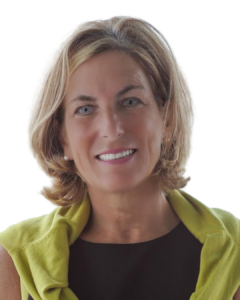 Beth Battaglino, RN-C, is the CEO of HealthyWomen, a leading nonprofit advancing women’s health through education and empowerment. With over 25 years in the healthcare industry, Beth brings a unique combination of sharp business expertise and women’s health insight to her leadership. She is a practicing nurse in maternal child health and a passionate advocate for women’s wellness, dedicated to ensuring all women have the knowledge and resources to make informed health decisions.
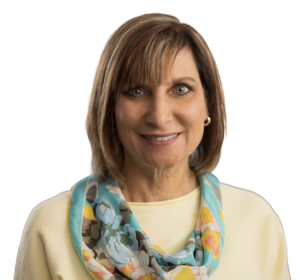 Kerry Dennis is a woman living with early-stage Alzheimer’s and a powerful advocate for the thisisALZ campaign. Diagnosed at age 59, Kerry’s story is one of strength, connection, and hope. She built a career in the financial services industry but noticed small things slipping at work. Trusting her instincts, she sought answers and received an early diagnosis. Today, Kerry finds fulfillment in life’s simple moments, embraces new experiences, and serves on the National Early-Stage Advisory Group, helping others live well with the disease and changing the narrative around Alzheimer’s.

