Do You Have SLEEP Apnea Warning Signs?

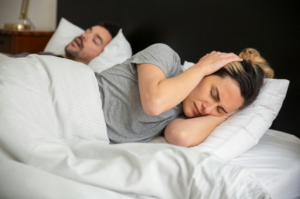
husband with sleep apnea wife cannot sleepMillions of Americans are living with undiagnosed sleep apnea, a potentially serious sleep disorder that goes far beyond simple snoring. If you wake up exhausted despite a full night of sleep, experience daytime sleepiness, struggle with mood changes, or have been told you stop breathing at night, these could be critical warning signs.

In this episode of GoToHealth!, Kuljeet (Kelly) Gill, MD, a board-certified sleep medicine specialist and neurologist at Northwestern Medicine, walks us through the warning signs, causes, risks, and treatment options for sleep apnea — and explains why getting a proper sleep apnea diagnosis could be one of the most important steps you take for your long-term health.

Many people struggle with their sleep health, but often dismiss common symptoms like snoring or daytime fatigue as normal. However, these could be warning signs of a serious condition known as sleep apnea. This disorder, characterized by repeated interruptions of breathing during sleep, can have a significant impact on your overall health and quality of life — including your risk of heart disease, high blood pressure, stroke, and weight gain. Understanding the warning signs is the first step toward diagnosis and treatment.

What is Sleep Apnea?

Sleep apnea is a common sleep disorder where the airway repeatedly becomes blocked, limiting the amount of air that reaches the lungs. The word “apnea” refers to a pause in breathing that lasts for at least ten seconds. In obstructive sleep apnea (OSA) — the most common form — the throat muscles relax and block the airway during sleep, causing brief but repeated awakenings throughout the night. This can lead to a drop in oxygen levels in the blood, which can have serious health consequences. 1 2

According to the Centers for Disease Control (CDC), insufficient sleep has been declared a public health epidemic in the United States. Nearly 7 out of 10 Americans experience frequent sleep problems, and an estimated 40 million people remain undiagnosed. 2

Warning Signs and Symptoms of Sleep Apnea

Recognizing the signs of sleep apnea is crucial for seeking timely medical attention. As Dr. Gill explains in the video, symptoms can vary significantly between men and women — men tend to experience more frequent apnea episodes and oxygen desaturations, while women may present with more subtle symptoms such as insomnia, anxiety, or persistent fatigue that can easily be mistaken for menopause or other conditions. 1 Here are the most common warning signs to watch for:

  • Loud, persistent snoring: While not everyone who snores has sleep apnea, loud and frequent sleep apnea snoring is a key indicator.
  • Pauses in breathing during sleep: A bed partner may notice that you stop breathing for short periods during the night.
  • Waking up gasping: Suddenly waking up with a sensation of waking up gasping or choking for air is a strong indicator of a breathing interruption during sleep.
  • Excessive daytime sleepiness: Feeling overwhelmed by daytime sleepiness despite getting a full night’s sleep is a hallmark symptom of sleep apnea.
  • Persistent daytime fatigue: Lingering fatigue throughout the day, even after what feels like adequate sleep, is a common complaint among those with undiagnosed sleep apnea.
  • Morning headaches: Waking up with headaches can be a result of low oxygen levels during the night.
  • Mood changes: Irritability, depression, and other mood changes can be associated with poor sleep quality.
  • Difficulty concentrating: Lack of restorative sleep can impair cognitive function, making it hard to focus.
  • Waking up with a dry mouth or sore throat: Breathing through your mouth during the night because of a blocked airway can cause these symptoms.
  • High blood pressure: Untreated sleep apnea is a known contributor to high blood pressure, as the repeated oxygen drops place ongoing stress on the cardiovascular system. 3

Warning Sign

Description

Sleep apnea snoring

Loud, chronic snoring, often followed by gasping or silence

Waking up gasping

Sudden awakening with a choking or gasping sensation

Daytime sleepiness

Feeling excessively tired or falling asleep during the day

Daytime fatigue

Persistent exhaustion even after a full night’s sleep

Mood changes

Irritability, anxiety, or depression linked to poor sleep

Morning headaches

Caused by low oxygen levels during the night

High blood pressure

Cardiovascular strain from repeated oxygen desaturation

Difficulty concentrating

Cognitive impairment from lack of restorative sleep

What Causes Sleep Apnea?

Obstructive sleep apnea is caused by the relaxation of the muscles in the back of the throat. When these muscles relax, the airway narrows or closes as you breathe in. This can lower the level of oxygen in your blood and cause a buildup of carbon dioxide. Your brain senses this impaired breathing and briefly rouses you from sleep so you can reopen your airway. This pattern can repeat itself five to 30 times or more each hour, all night long, impairing your ability to reach the deep, restful stages of sleep.

Several factors can increase the risk of what causes sleep apnea, including: 4

  • Excess weight: Obesity is a major risk factor for sleep apnea. Fat deposits around the upper airway can obstruct breathing.
  • Neck circumference: People with thicker necks might have narrower airways.
  • A narrowed airway: You might have inherited a naturally narrow throat. Tonsils or adenoids can also enlarge and block the airway, especially in children.
  • Being male: Men are two to three times more likely to have sleep apnea than women are. However, women increase their risk if they’re overweight, and their risk also appears to rise after menopause.
  • Age: Sleep apnea occurs significantly more often in older adults.
  • Family history: Having family members with sleep apnea might increase your risk.
  • Use of alcohol, sedatives, or tranquilizers: These substances relax the muscles in your throat, which can worsen obstructive sleep apnea.
  • Smoking: Smokers are three times more likely to have obstructive sleep apnea than are people who’ve never smoked. Smoking can increase the amount of inflammation and fluid retention in the upper airway.
  • Nasal congestion: If you have difficulty breathing through your nose — whether from an anatomical problem or allergies — you’re more likely to develop obstructive sleep apnea.


Health Risks of Untreated Sleep Apnea

Untreated sleep apnea can lead to a number of serious health problems. Research has shown that sleep apnea is estimated to increase heart failure risk by 140 percent, stroke by 60 percent, and coronary heart disease risk by 30 percent. 3 The following are among the most significant health consequences: 2 4

  • High blood pressure (hypertension): The sudden drops in blood oxygen levels that occur during sleep apnea increase blood pressure and strain the cardiovascular system.
  • Heart disease: People with obstructive sleep apnea are at a higher risk of recurrent heart attack, stroke, and abnormal heartbeats, such as atrial fibrillation.
  • Type 2 diabetes: Sleep apnea is common in people with type 2 diabetes. While the link is not fully understood, it is believed that sleep deprivation can contribute to insulin resistance.
  • Weight gain: Sleep deprivation can disrupt hormones that regulate appetite, leading to weight gain. The relationship between metabolism and sleep is complex, and poor sleep can make it harder to lose weight.
  • Daytime fatigue: The repeated awakenings associated with sleep apnea make normal, restorative sleep impossible, making severe daytime fatigue, sleepiness and irritability likely.

Sleep Apnea Diagnosis and Treatment

If you suspect you have sleep apnea, it is important to see a doctor for a proper sleep apnea diagnosis. Your doctor may refer you to a sleep specialist, who may recommend a sleep apnea test. As Dr. Gill emphasizes, consumer sleep trackers and smartwatches are not considered medically accurate for diagnosing sleep apnea — a physician-referred sleep study is the gold standard. 1 This can be done either at home (a home sleep study) or in a sleep lab (polysomnogram). 2

Once diagnosed, there are several sleep apnea treatment options available:

  • Continuous Positive Airway Pressure (CPAP): A CPAP machine, also known as a sleep apnea machine, is the most common and effective treatment for moderate to severe sleep apnea. It delivers air pressure through a mask while you sleep, keeping your airway open.
  • Oral appliances: For those with mild to moderate sleep apnea, a custom-fit oral appliance that repositions the jaw or tongue can be an effective alternative to CPAP.
  • Lifestyle changes: For mild cases of sleep apnea, lifestyle changes such as weight loss, avoiding alcohol, and changing sleep positions can be effective.
  • Surgery: In some cases, surgery to remove excess tissue from the throat or reposition the jaw may be an option. The Northwestern Medicine Sleep Surgery Clinic can help determine if sleep surgery is right for you.
  • Weight loss and GLP-1 medications: Dr. Gill notes that weight loss can significantly reduce the severity of sleep apnea, and new FDA-approved GLP-1 medications may assist patients in achieving meaningful weight reduction. 1
  • Nasal hygiene: Dr. Gill highly recommends using a saline nasal rinse to clear the sinuses and improve nasal breathing, which can reduce the severity of sleep apnea snoring and nighttime breathing difficulties. 1

Meet Our Expert: Kuljeet (Kelly) Gill, MD

Kuljeet Gill, MDKuljeet (Kelly) Gill, MD is a board-certified neurologist and sleep medicine specialist at Northwestern Medicine, and the medical director of the Sleep Center. With over two decades of clinical experience, Dr. Gill holds dual board certifications from the American Board of Psychiatry and Neurology in both Neurology and Sleep Medicine. She also serves as a Clinical Assistant Professor at the Feinberg School of Medicine at Northwestern University. 5

Dr. Gill practices within the Northwestern Medicine Regional Medical Group and is on the medical staff at Central DuPage Hospital and Delnor Hospital. She has earned an outstanding overall patient rating of 4.9 out of 5 based on more than 1,800 patient reviews, with patients consistently praising her thoroughness, compassion, and ability to clearly explain complex sleep conditions. 5

Her areas of expertise span the full spectrum of sleep medicine, including sleep apnea diagnosis and treatment, CPAP evaluation and management, insomnia, narcolepsy, restless legs syndrome, circadian rhythm disorders, and parasomnias. Dr. Gill is passionate about educating patients on the connection between sleep health and overall wellness — including the relationship between metabolism and sleep, weight gain, mood changes, and cardiovascular health. 5

“Understanding your sleep is understanding your health. Sleep apnea is not just about snoring — it affects your heart, your weight, your mood, and your entire quality of life.” — Kuljeet (Kelly) Gill, MD, Northwestern Medicine

If you are experiencing any of the warning signs of sleep apnea, Dr. Gill and the team at the Northwestern Medicine Sleep Health Center can provide expert, personalized care.

Take Control of Your Sleep Health with Northwestern Medicine

If you are experiencing any of the warning signs of sleep apnea, don’t ignore them. The Northwestern Medicine Sleep Health Centers provide day and night sleep studies for the diagnosis and treatment of sleep disorders, including sleep apnea, periodic limb movement disorder, narcolepsy, and nocturnal behaviors. Their centers are staffed by neurology and pulmonary critical care physicians, board-certified sleep medicine specialists, registered polysomnographic technologists, and respiratory therapists specially trained in adult and pediatric sleep disorders. 2

Talk to your doctor

about your symptoms and ask for a referral for a sleep apnea test. A proper sleep apnea diagnosis and the right sleep apnea treatment — whether that is a CPAP machine, an oral appliance, lifestyle changes, or surgery — can dramatically improve your sleep, reduce your risk of heart disease, high blood pressure, and stroke, and enhance your overall quality of life.

References

Footnotes

1.Do You Have SLEEP Apnea Warning Signs? — GoToHealth! on YouTube ↩ ↩2 ↩3 ↩4 ↩5

2.Sleep Health Centers | Northwestern Medicine ↩ ↩2 ↩3 ↩4 ↩5

3.Sleep Apnea and Heart Disease, Stroke | American Heart Association ↩ ↩2

4.Sleep Apnea: What It Is, Causes, Symptoms & Treatment | Cleveland Clinic ↩ ↩2

5.Kuljeet K. Gill, MD | Northwestern Medicine ↩ ↩2 ↩3

Listen on Podcast

Did you like your experience?

Please leave us a Testimonial HERE if you have a Google account.

Your word helps get our word out to more people.

Thank you in advance!!

GoToHealth Testimonial