
In a world grappling with the dual challenges of a rapidly aging population and pervasive social isolation, a powerful and transformative solution is emerging: intergenerational living. This innovative approach to community living brings together the young and the old, creating vibrant, supportive environments where generations can connect, learn from one another, and thrive. As we face a global aging crisis of unprecedented scale, the wisdom of the past—where multiple generations lived in close-knit communities—offers a compelling blueprint for the future of aging. This article explores the concept of intergenerational communities, delving into the work of pioneering organizations like Hands4Life, the inspiring leadership of its founder Stacy Shewey, the longevity secrets of the Blue Zones, and the profound Japanese philosophy of ikigai. Together, these elements paint a picture of a more connected, purposeful, and humane future for people of all ages.
The Global Aging Crisis: A Challenge of Our Time
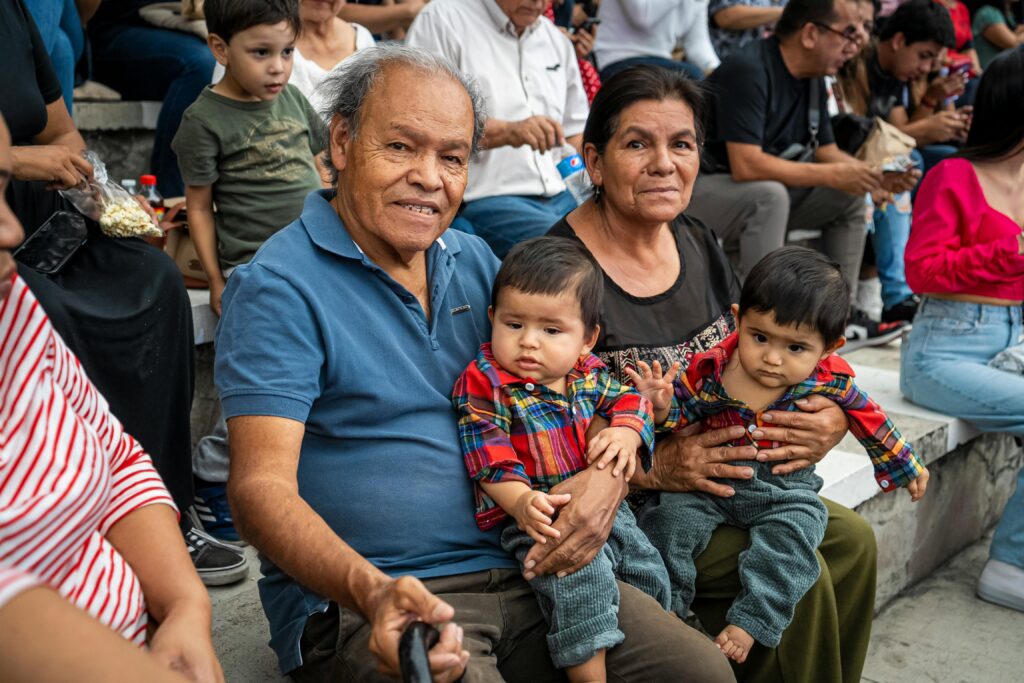 The world is undergoing a profound demographic shift. For the first time in history, people aged 60 and over are projected to outnumber children under 18 by 2080 . The World Health Organization (WHO) reports that by 2030, one in six people globally will be aged 60 or over . This demographic transformation, often termed the global aging crisis, presents a complex web of challenges that societies worldwide are struggling to address.
The crisis is particularly acute in developing countries, where an estimated 70% of the world’s older population currently resides—a figure expected to climb to 80% by 2050 . Many of these nations, as highlighted by Brookings, will “become old before they become rich,” lacking the robust infrastructure for elder care, senior housing, and social support systems that are already strained in wealthier countries . This demographic pressure exacerbates issues like social isolation, a silent epidemic that the WHO has linked to a range of health problems, including a higher risk of dementia, heart disease, and stroke .
Traditional models of senior living, such as retirement communities and nursing homes, are often ill-equipped to handle the scale of this crisis, and many fail to address the fundamental human need for connection and purpose. The field of gerontology increasingly emphasizes the importance of healthy aging and aging well, which encompasses not just physical health but also mental, emotional, and social wellbeing. As we look to the future of aging, it is clear that new housing solutions and models of caregiving are desperately needed—models that move beyond mere maintenance and instead foster a life of continued growth, engagement, and dignity.
Hands 4 Life: A Vision for Intergenerational Communities
 In the face of this global challenge, nonprofit organizations like Hands4Life are pioneering a compassionate and effective response. Founded on the belief that “aging should never mean abandonment,” Hands4Life is dedicated to creating intergenerational communities where vulnerable children and older adults can thrive together . The organization’s mission is to foster environments of dignity, purpose, and belonging, fundamentally reimagining the way we care for both the young and the old. This vision of positive change is built on a simple yet profound principle: bringing generations together completes the circle of life.
Hands4Life serves two of the world’s most vulnerable populations: the 132 million orphaned children in developing nations and the growing number of isolated seniors who lack family support . By bringing these two groups together into a single, supportive family structure, the organization creates a powerful symbiosis. Children gain the guidance, stability, and love of elder figures, while seniors find a renewed sense of purpose, joy, and connection. This model directly combats the social isolation that plagues so many older adults and provides a nurturing environment for children who might otherwise be susceptible to trafficking and exploitation.
The organization’s work is guided by what they call “The 4 W’s”:
- WHAT: Caring for people from “womb to tomb” by uniting generations.
- WHO: Serving orphaned children and older adults without family care.
- WHY: Because the separation of generations is costing our humanity, and bringing them together is the answer.
- WHERE: With a global vision, Hands4Life is developing a prototype intergenerational educational campus in Nigeria and has initiatives in Kenya, India, and the USA, redefining senior living and care on a global scale .
Through its focus on community living, mentorship, and volunteering, Hands4Life is not just providing housing solutions; it is building families and restoring a sense of shared humanity. This is social impact in its most tangible form, creating a ripple effect of positive change that strengthens communities from within.
Stacy Shewey: Leading with Purpose and Resilience
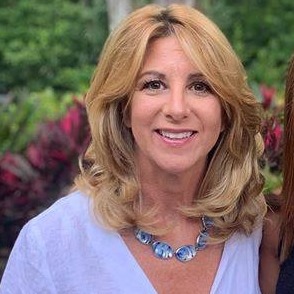 The driving force behind Hands4Life is its founder and CEO, Stacy Shewey. Drawing on her extensive experience in the assisted living industry, Stacy envisioned a world where the wisdom of the elderly and the potential of the young could be brought together for their mutual benefit. Her leadership is a testament to the power of turning personal passion into a global movement for positive change. However, the journey of Hands4Life is also a deeply personal story of resilience, faith, and the transformative power of love in the face of unimaginable loss.
On June 5, 2022, just three days after undergoing breast cancer surgery, Stacy received the news that her oldest son, Alex, had tragically died in an accident. Alex, a recent graduate with a degree in aviation management, had planned to be the organization’s missionary pilot, embodying the family’s shared commitment to service. In the depths of their grief, the Shewey family made a conscious choice to “run toward Jesus,” finding a peace that, in Stacy’s words, “only God can give” .
This profound personal tragedy did not derail the mission; it deepened its purpose. Stacy shared her family’s story in a LinkedIn post that resonated with millions, touching the hearts of over 4.5 million people and generating an outpouring of support. Alex’s life, full of love and a desire to serve, became a powerful legacy. In his honor, the first intergenerational home in Nigeria was named after him—a place where orphaned children and elders form a new, unique family, just as Alex would have wanted. The Shewey family’s story is a powerful illustration of Romans 8:28, which speaks of all things working together for good for those who love God and are called according to His purpose. Stacy Shewey’s leadership, forged in both professional expertise and profound personal experience, exemplifies how mentorship, volunteering, and a deep sense of calling can create a lasting social impact.
Ikigai: Finding Purpose Across Generations
Central to the concept of longevity within the Blue Zones, particularly in Okinawa, is the Japanese philosophy of ikigai. The term, which combines iki (life) and gai (worth), translates to a “reason for being” or, more simply, “why I wake up in the morning” . Ikigai is the profound sense of purpose that provides direction and meaning to one’s life. It is not merely a fleeting feeling of happiness but a deep-seated conviction that one’s life has value and contributes to the world. This philosophy is a powerful driver of healthy aging, as having a sense of purpose is worth up to seven years of extra life expectancy .
 The search for ikigai is often visualized as the intersection of four fundamental questions:
- What do you love? (Your passion)
- What are you great at? (Your vocation)
- What does the world need? (Your mission)
- What can you be paid for? (Your profession)
Where these four elements converge is where one finds their ikigai—a state of being where personal fulfillment aligns with a contribution to the greater good . This concept beautifully encapsulates the spirit of intergenerational living. For seniors, mentorship roles and the opportunity to pass on wisdom and life experience to a younger generation can become a powerful source of ikigai. It allows them to continue contributing meaningfully to their community, combating feelings of obsolescence and social isolation.
For the young, interacting with elders provides a connection to their heritage and a broader perspective on life, helping them discover what the world needs and how their own passions and talents can meet those needs. Intergenerational communities create a natural environment for this exchange to occur, fostering a culture where every individual, regardless of age, has a valued role to play. This model of community living allows for aging in place not as a passive state of being, but as an active, purposeful journey, enabling individuals to live out their ikigai to the fullest.

