
The Rise of Osteopathic Medicine
 In the face of this growing crisis, osteopathic medicine has emerged as a beacon of hope. The number of osteopathic physicians has been surging, growing from just under 25,000 in 1990 to over 160,000 in 2025. Today, nearly 30% of all U.S. medical students are training to become DOs. This rapid growth is a testament to the appeal of the osteopathic philosophy and its relevance to modern healthcare challenges. The number of osteopathic medical schools has also more than doubled since 2000, with many new campuses strategically located in rural and underserved states, directly addressing the geographic maldistribution of physicians.
DO vs. MD: Understanding the Difference
Many patients may not be aware of the difference between a DO and an MD (Doctor of Medicine), as both are fully licensed physicians who can practice in any medical specialty. The training for both degrees is largely comparable, with similar application requirements, a rigorous curriculum, and the same residency programs. However, there are key philosophical and practical distinctions.
Osteopathic medicine is founded on a holistic approach to patient care, treating the whole person—mind, body, and spirit—rather than just the symptoms of a disease. This philosophy emphasizes prevention, wellness, and the body’s innate ability to heal itself. A unique component of osteopathic medical education is Osteopathic Manipulative Treatment (OMT), a hands-on technique used to diagnose, treat, and prevent illness and injury by moving a patient’s muscles and joints. This added focus on the musculoskeletal system provides DOs with an additional tool to address a wide range of health issues.

The American Association of Colleges of Osteopathic Medicine (AACOM)
At the forefront of this movement is the American Association of Colleges of Osteopathic Medicine (AACOM). Founded in 1898, AACOM is the leading voice for osteopathic medical education in the United States. The organization plays a crucial role in setting standards of excellence, advocating for public health policy, and promoting research and innovation. AACOM’s mission is to lead and advocate for the osteopathic medical education community to improve the health of the public. The organization provides a unified voice for its member colleges, offers centralized services for students, and fosters a culture of collaboration and innovation.
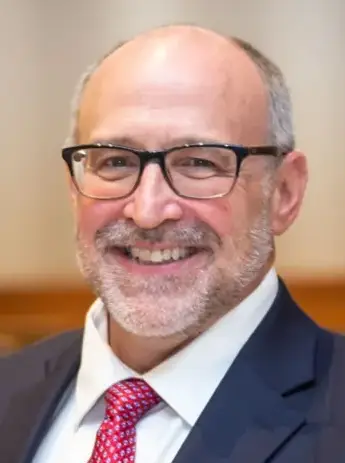 A Leader in Osteopathic Medicine: Robert A. Cain, DO
Leading AACOM is its President and CEO, Robert A. Cain, DO. A distinguished leader in osteopathic medicine, Dr. Cain has dedicated his career to advancing medical education and patient care. With extensive experience in both undergraduate and graduate medical education, Dr. Cain is a passionate advocate for the osteopathic profession and its role in shaping the future of healthcare. His leadership is instrumental in guiding the osteopathic community as it continues to grow and innovate.
AACOM is the leading organization representing U.S. osteopathic medical schools, advocating for osteopathic physician (DO) education, setting standards, and supporting students and colleges in training future physicians who focus on treating the whole person, from primary care to specialized fields, to improve public health.

