

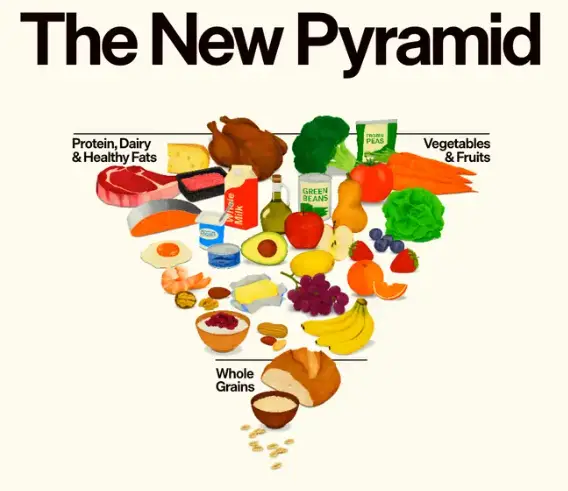
Understanding the Broader Implications
The controversy surrounding the new food pyramid guidelines extends beyond mere academic debate. When influential models like the food pyramid are altered, the consequences touch on economic, cultural, and even environmental dimensions.
 Economic and Social Factors
Dietary guidelines invariably influence market trends and consumer spending. The new emphasis on protein, for example, could potentially drive up the prices of certain food items while devaluing others. Key points include:
- Market Shifts: Increased demand for proteins could lead to higher costs for consumers, particularly if the supply chain is not adjusted to cope with the changes.
- Consumer Confusion: Frequent changes in dietary guidelines might erode public trust, leaving consumers feeling overwhelmed by contradictory advice.
- Cultural Relevance: Traditional diets that have sustained populations for centuries might be undermined by a one-size-fits-all model that does not respect local culinary practices.
The economic and social impacts of these guidelines emphasize the need for nutritional recommendations that are not only scientifically robust but also socially and culturally sensitive.
Environmental Considerations
Modern dietary discussions cannot be divorced from environmental concerns. The push for increased protein consumption, particularly from animal sources, may have significant ecological repercussions. Environmental points to consider include:
- Resource Intensity: Animal agriculture is resource-intensive, requiring significant amounts of water, land, and energy, and is associated with higher greenhouse gas emissions.
- Sustainability: As global populations grow and climate change exacerbates resource scarcity, promoting plant-forward diets could be more sustainable in the long run.
- Ecological Footprint: The environmental footprint of shifting dietary trends toward increased reliance on animal-based proteins must be carefully balanced against the health benefits.
An environmentally responsible dietary guideline should reconcile human health with the requirements of a sustainable ecosystem.


Revisiting the Science of Nutrition
While the new guidelines incorporate contemporary nutritional research, it is important to recognize that nutritional science is far from settled. With emerging studies continually challenging existing paradigms, the following factors should be kept in mind:
- Nutrition is a complex interplay of genetic factors, lifestyle choices, and environmental exposures.
- What constitutes an optimal diet may vary significantly from one individual to another.
- Guidelines should be adaptable and updated as new evidence emerges, rather than fixed in a static model.
In light of these complexities, consumers are encouraged to approach any broad dietary recommendations with cautious optimism and critical analysis.
Practical Strategies for Optimal Nutrition
Given the potential shortcomings of the new food pyramid guidelines, what practical strategies can individuals employ to ensure their diets remain balanced and healthful? A personalized approach to nutrition, grounded in both scientific evidence and individual needs, is essential. Here are some strategies to consider:
 Adopt a Diversified Diet
Avoid reliance on any single food group. A diversified plate that incorporates a mix of macronutrients and micronutrients benefits overall health. Consider the following recommendations:
- Fruits and Vegetables: Aim to fill at least half your plate with a variety of colorful fruits and vegetables. These are rich in antioxidants, vitamins, and fiber.
- Whole Grains: Select whole grains over refined options for a steady source of energy and essential nutrients.
- Lean Proteins: Balance consumption of proteins by including both animal and plant-based sources. This approach not only provides variety but also caters to ecological and ethical considerations.
- Healthy Fats: Incorporate sources of healthy fats like olive oil, avocados, and nuts, which support heart health and help in the absorption of fat-soluble vitamins.
These simple adjustments can create a foundation that promotes long-term well-being, regardless of the prevailing dietary model promulgated in guidelines.
Customize Your Nutritional Plan
One of the major drawbacks of uniform dietary guidelines is that they do not address individual variability. Everyone’s nutritional needs differ based on age, gender, activity level, metabolic health, and personal health goals. Customized nutritional planning may include:
- Regular Consultations: Work with nutrition experts or dietitians to tailor dietary recommendations based on your health profile.
- Monitoring and Adjustments: Track your nutritional intake and health markers, adjusting your plan as necessary to meet your individual requirements.
- Balanced Meal Planning: Invest time in planning meals that maintain a balance among different food groups without adhering strictly to one model.
By empowering yourself with the knowledge to make personalized dietary decisions, you take control of your health in a way that generic guidelines may not allow.
Debunking Misconceptions
One of the most pervasive issues with the new guidelines is that they may inadvertently promote several misconceptions about nutrition. It is important to scrutinize these points and ensure that the broader context of scientific evidence is considered. Consider the following clarifications:
- The Myth of “One-Size-Fits-All”: No single food pyramid can accurately capture the diverse nutritional needs of the entire population. Individual factors play a significant role in determining the optimal diet.
- Fats Are Not the Enemy: Not all fats are detrimental to health. Distinguishing between trans fats, saturated fats, and healthy unsaturated fats is critical for making informed dietary choices.
- Carbohydrates Aren’t Inherently Bad: Carbohydrates, when derived from whole grains and vegetables, provide essential energy and nutrients even as the new guidelines attempt to relegate them to a narrower role.
A well-informed diet is built on the principles of moderation, balance, and a deep understanding of one’s unique health requirements.
Expert Opinions and Case Studies
A balanced examination of the new guidelines is incomplete without insights from nutritional experts and case studies that help to contextualize the potential success or drawbacks of the model. Several nutritionists have raised concerns, emphasizing the need for flexibility and personalized guidance.
Consider the following viewpoints:
- A. Smith: “While the new guidelines incorporate important aspects of recent research, they risk marginalizing the importance of whole foods that are pivotal to a balanced diet.”
- Nutrition Research Group: “Our studies suggest that individualized dietary planning yields more sustainable health outcomes than strict adherence to any standardized model.
- Case Study – Community Health Initiative: “In communities where personalized nutrition programs were implemented, rates of obesity and metabolic syndrome showed significant improvement compared to areas that followed generic guidelines.
These expert opinions underscore the importance of critical reading and evaluation of dietary guidelines. Consumers should seek guidance from reputable sources and remain open to adjusting their choices based on evolving evidence.
Actionable Steps and Call to Action
If you feel uncertain about the impact of the new food pyramid guidelines on your diet, now is the time to take informed action. Begin by incorporating critical evaluation and personalized insights into your nutritional planning.
To support your journey toward a balanced diet, consider the following steps:
- Consult a certified nutritionist who can assist in tailoring a plan specific to your health needs.
- Attend community seminars or webinars where experts decode the latest dietary trends and research findings.
- Engage with independent research journals and trusted nutritional websites to stay updated on evolving guidelines.
 Conclusion
The new food pyramid guidelines represent an evolution in nutritional advice, but they are not without their shortcomings. While they offer fresh perspectives on the roles of proteins, fats, and carbohydrates in our diets, these guidelines also risk oversimplifying complex nutritional science and overlooking key elements that contribute to optimal health.
A healthy diet is not solely determined by following any one model or guideline. It requires a careful balancing act, personalized planning, and an ongoing commitment to learning about the dynamic nature of nutrition. Consumer skepticism is both natural and essential in this ever-changing landscape.
By understanding the potential flaws in the new guidelines and taking active steps to customize your nutritional plan, you are better equipped to navigate the world of dietary advice. Embrace a holistic approach that considers both personal needs and scientific evidence.
We invite you to explore further and empower yourself with knowledge. Remember, your journey toward optimal health starts with an informed decision, and our team is here to guide you every step of the way.
Additional Considerations and Resources
As nutritional science continues to evolve, it is important to remain engaged and curious about how dietary paradigms affect overall well-being. We recommend the following practices to strengthen your diet and lifestyle:
- Regular Health Assessments: Periodically evaluate your dietary outcomes through professional health check-ups and nutritional assessments.
- Community Engagement: Join forums or local groups that focus on nutritional health to share experiences and strategies.
- Continuous Education: Keep abreast of new studies and evolving guidelines by subscribing to reputable nutrition journals and online platforms.
By taking a proactive approach, you can navigate any shortcomings in generalized guidelines and create a balanced, dynamic plan that suits your lifestyle.
In summary, while the new FOOD Pyramid guidelines attempt to incorporate recent research and modern dietary trends, it is clear that no single model can capture the complexity of a healthy diet. Emphasizing variety, personalization, and a deep understanding of nutritional principles will enable you to make choices that best serve your health and well-being.

About the Physicians Committee for Responsible Medicine
Anna Herby, our guest, is the Nutrition Education Specialist at PCRM. The Physicians Committee for Responsible Medicine (PCRM), a health advocacy group with 17,000 physician members, has filed a complaint with HHS and USDA urging them to withdraw the guidelines. The organization cites concerns of conflicts of interest, noting that members of the panel have ties to the beef and dairy industry.

